Showing posts with label Week 3. Show all posts

Sunday, February 5, 2017

Wikipedia Trail: From Leto to Helios

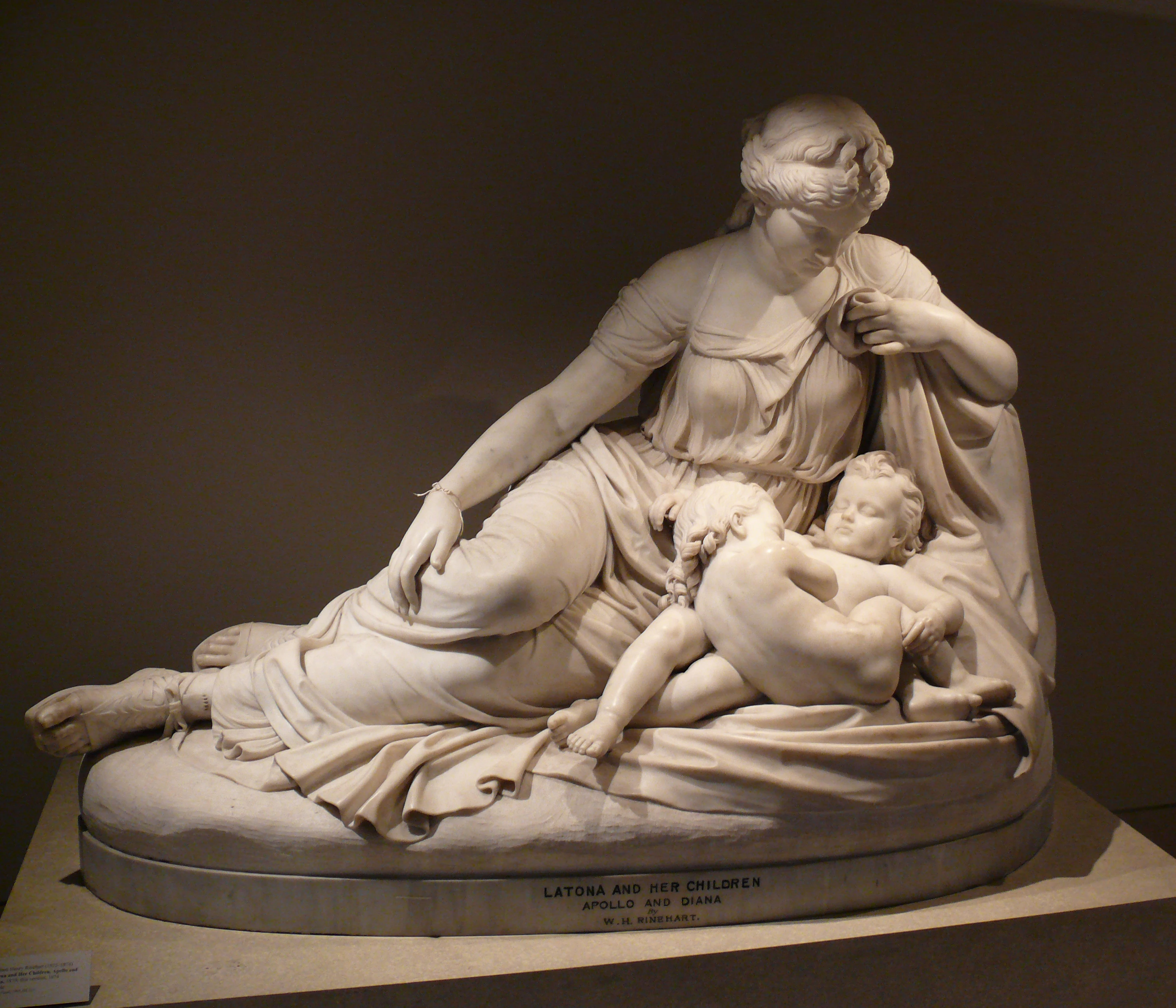
1. Leto. Leto is the mother of Artemis and Apollo. Her relationship with Zeus caused Hera to be jealous-- as a result, she was not able to go on many lands. However, she found an island named Kos where she gave birth. She is the goddess of motherhood. 

Leto and her children. Source.

2. Artemis. Artemis is often seen with a bow and arrow. She is the goddess of hunting, wilderness, and much more. She is also associated with deer. Her twin is Apollo.

3. Alpheus. Alpheus was a river god. In some stories, he fell in love with Artemis. In others, he fell in love with Arethusa. However, both women had no interest in him and fled. 

4. Helios. Helios is associated with the sun and is often compared to Apollo, despite the fact that they are two different figures. He granted a wish to his son; his son wished to drive the chariot and ignored his father's warnings. In the end, his son lost control and the chariot and the earth was set aflame.

Wednesday, February 1, 2017

Week 3 Storytelling: Soldier On

[ xi. strength. ]


( it is easy to be brave when there is no danger. )

i. false sanctuary

he grows up where solace hardly exists. it leaves itself in fragments, hiding in the crevices of one’s mind.

he grows up in times of war; he is too young and too innocent. he is naive and happy despite everything that happens around him.

he understands that there is fighting and violence, but he does not understand the extent, nor what it truly means. he doesn't understand that fighting means bloodshed; he doesn't understand when they tell him that his father won't return from the war. his brows narrow and curiosity fills bright eyes when they tell him the news.

his mother's tears never fall. the words remain stuck in her throat and one day,

she knows he will understand.


( she doesn't know whether it's a curse or blessing to know that he is still a child of naivety and not one that knows the reality of war. )


ii. ignorant courage

when he is older, he learns more about war. he learns of the pain, the grief, the sorrow-- he learns what war really is. he learns where his family has gone and why they are gone.

he learns that he has lost them.

sooner or later, he will have to fight. he is not afraid, he says.

there's a weak smile that crosses his lips as his fingers drum against the worn table. he's thought about this a lot-- to grow up with war means there is no escape from this harsh reality. his older brother listens intently to his every word and there's this fear that fills a dreadful heart; he has known the experience of war.

this is not something he wants his little brother to go through, even though he knows there is nothing he can do to prevent it.

"i want to fight." he announces, his words laced with determination.

he sees the flicker of horror that appears on his sibling's face and his smile grows, but sadness accompanies it.

"i'll be okay. i promise."

his brother does not speak for what feels like years. he stares and stares, searching for that little boy that used to be as bright as the sun. he doesn't want to care for promises; it means nothing in this world.

still, he hopes that it is not broken. they have lost too much family already. he will not lose his little brother.

( oh little one,
even ares wishes to spare you from this violence. )

iii. amidst the chaos

when he first runs into the battlefield, his heartbeat rings violently in his ears. the adrenaline rushes throughout his body and he feels as if his heart might burst from his chest.

he remembers his ignorance of war; he believed he had grown out of it, but when eyes scan the battlefield, there is only chaos that greets his sights. it makes him realize how frightened he is. it makes him realize how light his words seemed back then.

he realizes how foolish he was, but now, even with the fear that clutches onto him, he finds resolve. no matter how dangerous it may be, no matter how horrific it may be, he will fight. he will find strength in himself, in his brother, and his comrades.

he reminds himself to keep his promise. he will be okay. he will survive. 

he will go home.

( survive, soldier. )

War by hunterkiller. Source.

Author's Note: The original story is titled "The Sheep and the Pig". The shepherd picks up the pig, which results in the pig making loud noises. The sheep find this amusing and ask why the pig reacts in such a way; when they get picked up by the shepherd, they don't act in such an embarrassing way. The pig tells them that the shepherd only wants their wool, but when it comes to itself, he wants bacon. The last line of the story is "It is easy to be brave when there is no danger". Originally, it was supposed to be a story with an adult telling a child how difficult it is to be courageous, but then I thought of a child who knew very little of war. As they grew up, they were determined to fight in the war without any hesitation because they weren't truly in danger yet. I used the strength arcana because even at the end, despite his fear, he learned to be strong and fight for what he cared about.
Bibliography. "The Sheep and the Pig" from Aesop for Children by Milo Winter.

Tuesday, January 31, 2017

Reading Notes: Aesop's Fables (Winter), Part B

The Wolf and the Shepherd

A wolf hangs nearby sheep and earns the shepherd's suspicions, but the wolf never does anything. However, the moment the shepherd decides that the wolf is harmless, he leaves. The wolf eats all the sheep and the shepherd learns the hard way not to trust wolves. This story reminds me of how in TV shows or games, there's this character that you never know is good or bad. They end up helping people, but in the end, they're actually traitors. There could be a story about that.

The Mouse and the Weasel

A mouse squeezes into a basket and ate so much food that he couldn't escape; no one helped him so he would learn the consequences of his actions. The last line is "Greediness leads to misfortune". I think I could do a retelling of King Midas and go deeper into talking about the development of his emotions, since his love of gold took away his daughter.


Mouse. Source.

I liked the stories in part B, but there were some themes I didn't know how to work with or turn into a story. I think I'll have to rely on my notes from part A for this week's storytelling


Monday, January 30, 2017

Reading Notes: Aesop's Fables (Winter), Part A

The Wolf and the Kid

The baby goat gets separated from his flock and is almost eaten by the wolf; however, he manages to escape because he asks the wolf to play music before he eats him. The wolf humors him but the shepherd dogs pick up on the song and chase him, so he ends up not getting the kid. The last line reads "Do not let anything turn you from your purpose" which I really like. It could involve a story with a character who is determined to reach their goal, but may end up distracted and invest in something else too much that they end up failing their goal.


The ass makes a snarky remark towards the lion, but the lion keeps to himself because he doesn't want to "honor" the ass. The last line is "Do not resent the remarks of a fool. Ignore them". This story applies to everyone at some point in their life, so I think the audience could be able to relate easily. I could write a story about someone who does their best to take the high road and ignore the hatred and discuss their struggle to do so.


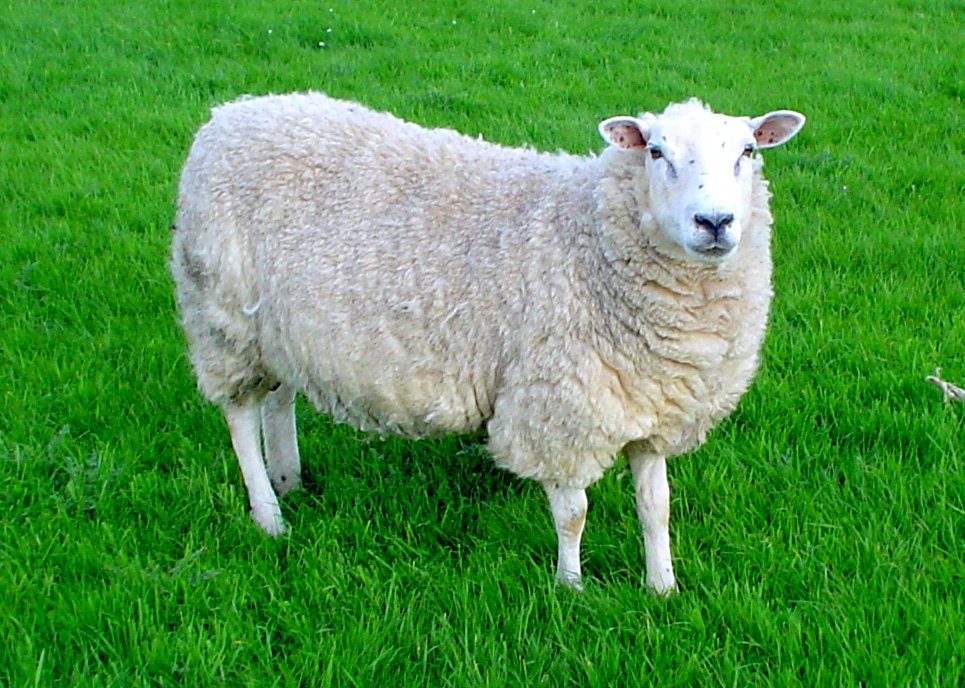
A pig is picked up by a shepherd and makes loud noises; the sheep find amusement in its reaction and the pig says they have nothing to worry about because he just wants their wool; when it comes to the pig, on the other hand, he wants bacon. The moral is "It is easy to be brave when there is no danger". When I first heard it, I thought of the strength arcana and war. I think it would be better to write about someone teaching a child about bravery and how hard it is to have courage. War is a common topic, but I think this story would be endearing.

Lleyn Sheep. Source.

Bibliography: Aesop's Fables by Milo Winter