Sunday, February 26, 2017

Reading Notes: Notes on the Folklore of the Fjort, Part B

The Turtle and the Man

I was a little surprised that a turtle was the trickster this time; it was a nice surprise, though. I wasn't expecting him to die in the ending. The moral of the story could be used and applied to a story of my own-- I could have a trickster who constantly cheats people, but ends up cheating himself somehow.


The Rabbit and the Antelope


This story would be a good inspiration since the lesson is to not take advantage of others. It would be easy to incorporate this theme into one of my own.


The Leopard and the Crocodile


This was a clever story! It'd be fun to come up with a way that a character would trick others and turn them against each other.


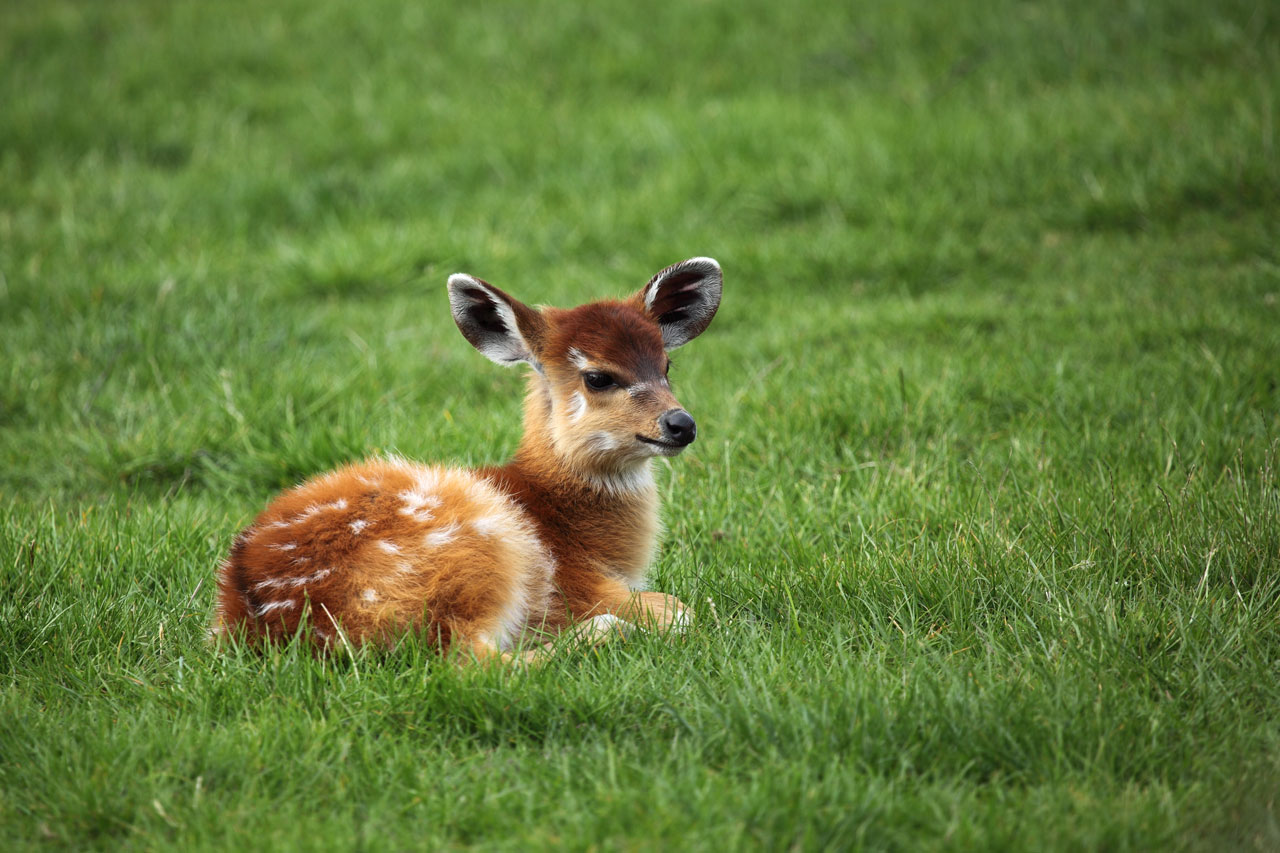
Baby Antelope. Source.

Bibliography. Notes on the Folklore of the Fjort by Richard Edward Dennett (1898).

Reading Notes: Notes on the Folklore of the Fjort, Part A

The Vanishing Wife

I thought this story would have a happy ending, but I guess not. I think there is a lot of material that could be expanded on-- like why his brother didn't like him or how he ended up living poorly. I'm also intrigued by his wife and wonder if she is a personification of wealth. I could write about his feelings or come up with more background for him.


The Jealous Wife


This was very dark, but it was a pretty good read. I'd like to write from the younger's wife perspective because the whole ordeal must have been frightening for her. It would be challenging to describe her feelings and what she thought the whole time.


The Wicked Husband


Actually, this was much darker. I would like to write from the view of the prince and how he chooses to deal with the husband or the character that finds the wife.


Canoe. Source.

Bibliography. Notes on the Folklore of the Fjort by Richard Edward Dennett (1898).

Wednesday, February 22, 2017

Wikipedia Trails: From Tanuki to UNESCO

1. Tanuki. I had never heard of this animal-- it's known as the Japanese raccoon dog and is well known in Japanese folklore. Like the fox, it is known to be mischievous but also absentminded at times. When the word is translated, people often say "badger" or "raccoon". However, that is incorrect. While it does look like those animals, it is not related.


Tanuki. Source.

2. Okinawa. Okinawa is the southernmost prefecture in Japan. Seventy-five percent of US installation are located there. There are a few languages that are foreign to the Japanese civilians there.

3. Ryukyuan Language. These languages are considered to be part of Japanese dialect, but they are not intelligible with Japanese. These languages are considered to be endangered. There is large diversity between these languages.

4. UNESCO. UNESCO stands for United Nations Educational, Scientific and Cultural Organization. Its mission is to promote international collaboration in order to bring peace. They also address social and ethical issues. It has 195 member states.

Tuesday, February 21, 2017

Reading Notes: The Crimson Fairy Book, Part B

Schippeitaro

This story can be written from two perspectives; one could be about the main character and how he tries to prove himself. It could be about his struggle in the forest and how he rescues the girl. Another alternative is from the girl's perspective; I can go in depth with her feelings of fear and hopelessness when she discovers that she will be eaten.

The Crab and the Monkey

This story inspires other stories of revenge, so if I can come up with someone betraying or deceiving another person, I could write about how the other character gets back at them.

How the Wicked Tanuki was Punished

Stories like these always make me wonder why the parents bring harm to each other or their children. It would be good to expand on the son's feelings and get more into his perspective since there is not much known about him aside from his actions.


Tanuki. Source. 

Bibliography. The Crimson Fairy Book by Andrew Lang.

Monday, February 20, 2017

Reading Notes: The Crimson Fairy Book, Part A


The Stonecutter

This story did not go in the direction I expected. It would be a good theme to use, though. I could write a story about someone who becomes too greedy and yearns for too much, but when they get everything they wanted, they realized that they were actually happy with what they had in the first place. I don't have an exact plot right now, but the moral would be that you shouldn't take anything for granted.

The Maiden with the Wooden Helmet

I liked this story a lot and I'd like to use the maiden as a main character; however, I could not get any meaning from the story. I would like to be able to figure out how to incorporate her beauty into a story, though.


The Heroin Maiden. Source.

Bibliography. The Crimson Fairy Book by Andrew Lang.

Thursday, February 16, 2017

Week 5 Storytelling: Two Sides of the Same Coin

[ xviii. the moon. ]

( the sun and moon are one in the same. )

i. to the brightest sun,

you've always been the best, haven't you?
your heart always full of gold, your mind full of wonders.
there's brilliance in those eyes that no man could ever take away.

( in the darkness,
your eyes grow dim. )

when night falls, your smile follows it.
the heart of gold everyone speaks of has been long shattered;
it is only when you are alone that you allow it to continue breaking and breaking.
it's okay to be sad sometimes. with light, comes darkness.

ii. to the warmest sun,

you've always been the kindest, haven't you?
your arms open to the whole world, your hands offered to those who need it.
there's a sweet vulnerability that lies within you.

( in the darkness,
your heart grows cold and ruthless. )

when night falls, the facade disappears.
your kindness is genuine, but you tire of the constant selflessness;
your patience wears thin and the smiles become more forced.
you must take care of yourself, too. do not let others suffer, but do not let yourself suffer.

iii. to the rising sun,

you've always been the strongest, haven't you?
your chin held up high, your shoulders never low.
there's a courage in your veins that seeps throughout your body.

( in the darkness,
you crash and burn. )

when night falls, so do you.
your bones and shoulders ache from all the burdens that rest on them.
you must learn that sometimes,
it is okay to fall. you'll get back up one day.

iv. to the setting sun,

you've always been the most worthy, haven't you?
your promises never broken, your loyalties never doubted.
there's an unbreakable bond in your friendships.

( in the darkness,
you wonder when everyone will leave you. )

when night falls, the guilt seeps in.
sometimes, everything and everyone is too much.
you find yourself suffocating in the midst of it all, but you know they need you, so you stay.
you must allow yourself to breathe. 

v. to the darkest moon,

you've always been the loneliest, haven't you?
your features darkening when no one is around, your tears falling endlessly in the late hours.
there's a bitterness that lingers on the tip of your tongue.

( in the darkness,
you hide your face in shame, little moon. )

when night falls, every flaw comes out.
you've yet to learn that your weaknesses are only human; 
you've yet to realize that people find beauty in both the sun and the moon.
one day, you'll learn that people will love you regardless of your flaws and insecurities.


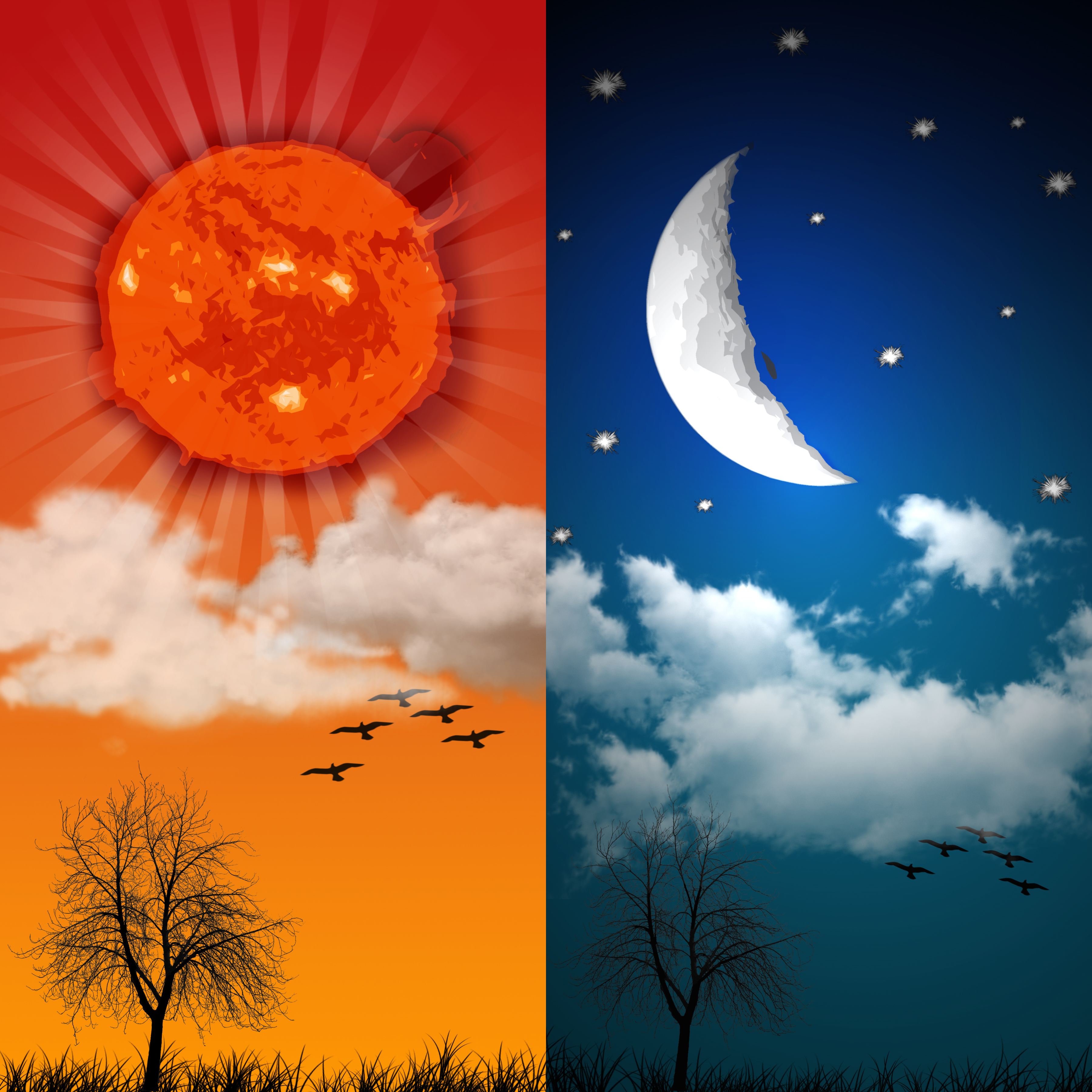
Sun and Moon by Michael Quinn. Source.

Author's Note: This story is based off "What Caused the Shadows on the Moon". The moon and sun were personified siblings that were beautiful and bright. However, as they grew, the moon often ventured off on his own. He eventually lost his sense of honor and duty; his adventures led him to see grotesque sights, so when he returned, he was impressed by his sister's beauty. He went to his mother and demanded to marry her; his mother denied his request and when his sister found out, she was so angry that she threw hot ash on his face. The ash left streaks on his face and made him pale, so he only showed his face at night. 

It was difficult finding inspiration from this; I ended up combining the moon and sun as one character. I didn't use their personalities from the original story, though. The sun represents the good qualities of a person, while the moon represents their hidden insecurities. I wanted to show how since the sun is always bright and out when everyone else is, a person would only show their good side. However, when the moon is out, everyone is usually sleeping, so that's when the flaws and insecurities come out. I wanted to tie into the original story by explaining that the moon was ugly in the original story, but in my story, the moon believed itself to be "ugly" and that's why it only came out at night.

Bibliography. "What Caused the Shadows on the Moon" by Mrs. K. U. Rafy.
Monday, February 13, 2017

Reading Notes: Khasi Folktales, Part B

What caused the Shadows on the Moon

Writing personifications of the sun and moon would be really fun and challenging. I could make a story up about how the moon is more introverted than the sun and keeps to itself, or I could make up another plot about how the moon brings shame to itself, explaining why it only comes out when everyone is sleeping.

Finding inspiration from this unit was very difficult. I enjoyed the stories, but I could not figure out how I could rework these themes into one of my own. However, I do have some ideas from the first half of the unit I plan to use.


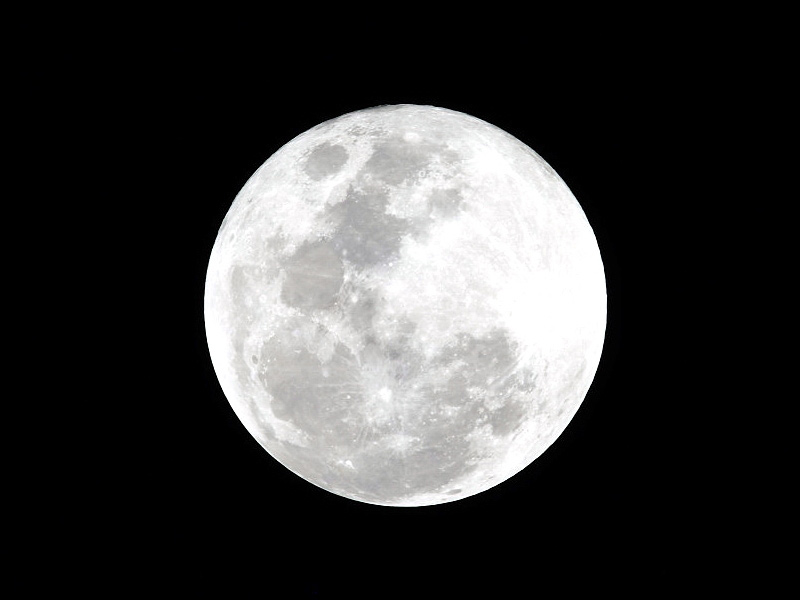
Moon. Source. 

Bibliography. "Folktales of the Khasis" by Mrs. K. U. Rafy.